The Olive Harvest
Capturing Connection and Simplicity by the Sacramento River
When my friends invited me to their small olive grove by the Sacramento River for the annual harvest, I was intrigued. They spoke of this day with a kind of reverence, as if it were a ritual—a time to slow down, reconnect with the land, and come together. I decided to bring my camera, curious to capture a few moments and eager to see what made this day so special.
Arriving at the grove, I immediately understood what they meant. It wasn’t large, but nestled near the river, it had a charm that felt timeless. Olive trees with their silvery, shimmering leaves stretched out along the riverbank, casting dappled shadows on the ground. The light was perfect—a soft, golden hue that seemed to wrap the landscape in warmth. I took out my camera almost instinctively, snapping photos as the light glanced off the trees, giving the entire grove a quiet, almost sacred beauty. There was something grounding about being there. The olive trees stood rooted in a way that cities, with their constant rush, never could. I snapped a few shots to try to capture that feeling, but mostly, I found myself just pausing to soak it all in.
Now, you wouldn’t think olives could inspire deep thoughts. They’re just olives, after all. But they’ve been around forever, popping up in everything from ancient history to the Bible. After the flood, it was an olive branch that Noah’s dove brought back as a sign of hope. And somewhere along the way, the olive came to mean peace, prosperity, resilience—the big stuff, the things we’re all trying to find our way to, even if we don’t know it. There’s something incredible about the fact that olives can thrive in tough soil, that they’ll keep growing even if you cut them down. These trees, with their quiet, enduring strength, had somehow outlasted generations. And maybe, just maybe, these tiny olives were little reminders that some things don’t need to be reinvented; they just need to be nurtured. Standing among the trees, I felt that symbolism take root in me. The grove wasn’t just a place—it was a testament to the enduring beauty of small things.
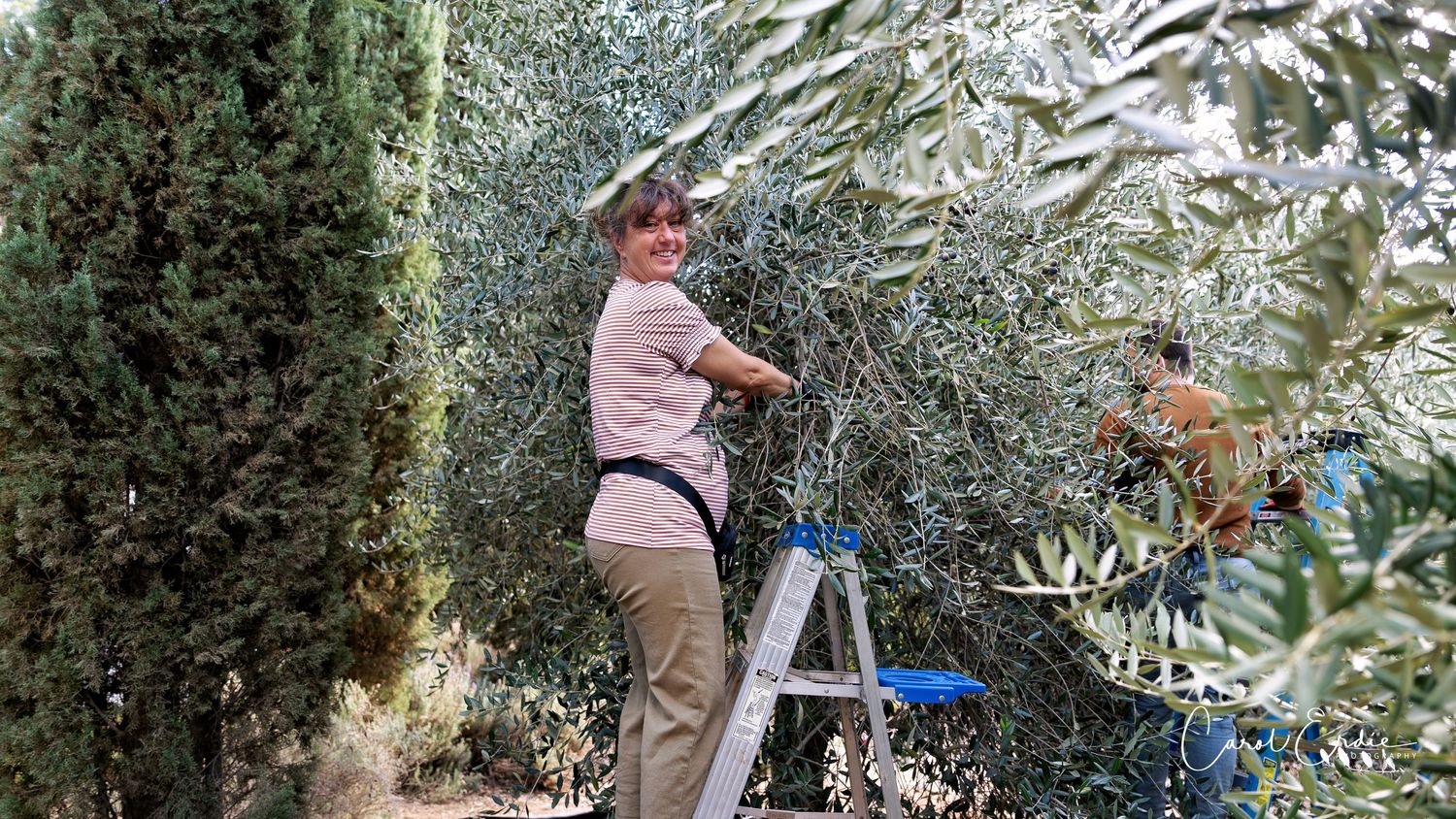
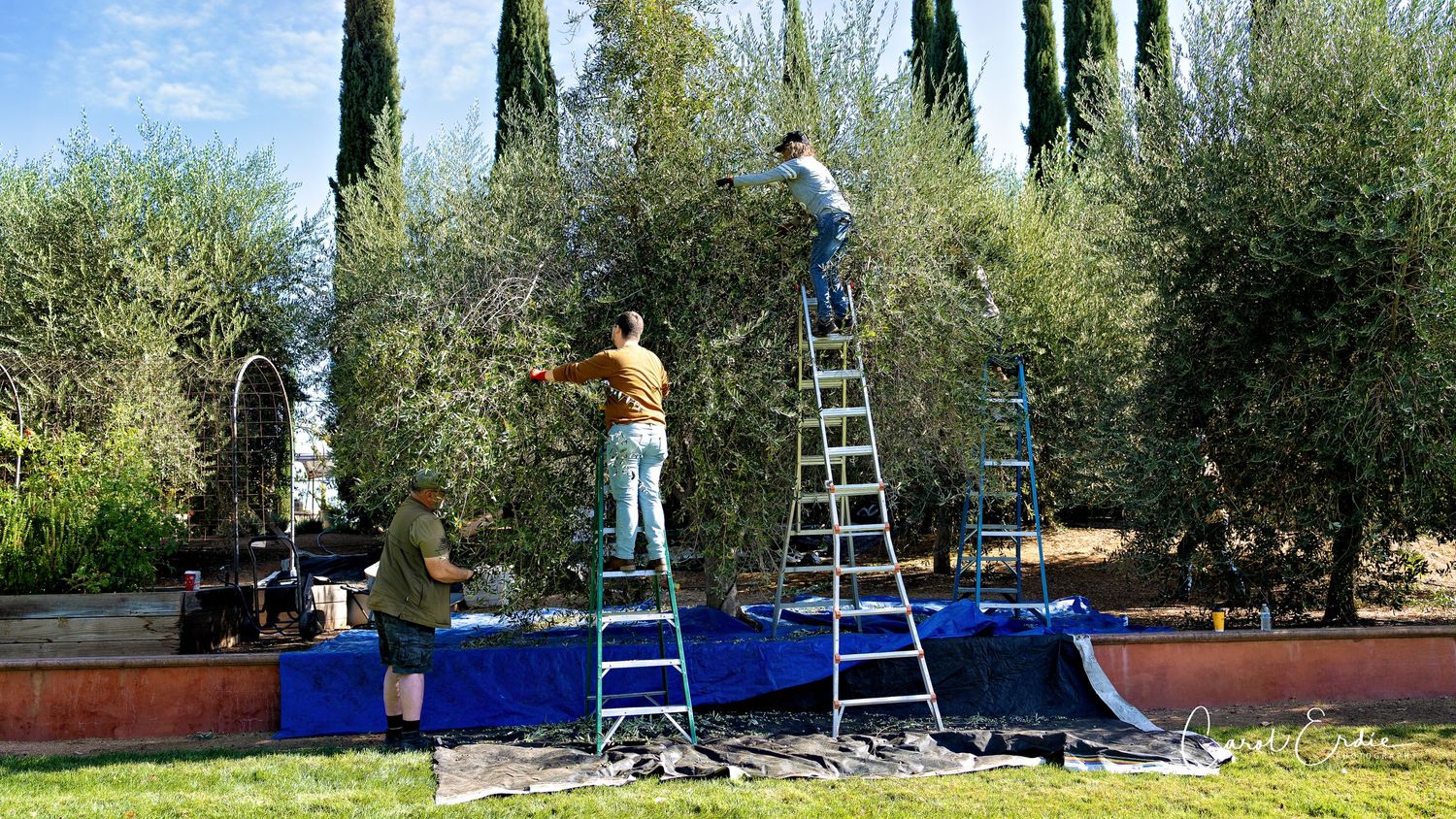
Once it was time to pick the olives, I set my camera down and rolled up my sleeves. We spread tarps under the trees and began picking olives by hand. There were no machines, no rush—just the simple, steady rhythm of fingers plucking olives from branches and dropping them onto the tarp with soft thuds. It felt meditative, like the rhythm of a shutter clicking, each movement purposeful and calm. Every so often, I’d pick up my camera to capture candid shots of my friends—someone laughing, the quiet focus of hands gently picking olives, the way a branch dipped under the weight of its fruit. I wasn’t trying to capture anything dramatic, just small, unpolished moments that told the story of a slow day spent in good company. And yet, amidst the quiet rhythm of the work, I kept thinking of those olive trees. How they stood as symbols of resilience and peace, thriving in places most plants wouldn’t. The day became more than just a harvest; it was a reflection on how life’s simplest, most enduring things often carry the deepest meanings.
As we packed up, the last rays of sunlight dipped below the horizon, painting the river in hues of amber and violet. I looked back at the grove, its leaves now soft silhouettes, and realized I was leaving with more than just photos—I was carrying the quiet magic of the day itself. These weren’t pictures I’d frame or turn into postcards, but they captured something real—a day spent outside, surrounded by friends, in a place where time seemed to slow down. And maybe that’s what I love most about photography. Not every shot needs to be perfect or planned; some moments are just there to remind you that the best parts of life are often found in these quiet, unexpected days. Days spent under olive trees by the river, with good friends, good food, and the gentle beauty of a world moving at its own, unhurried pace.